
NAIROBI AND KIGALI:
The era of the experimental electric vehicle pilot is officially over in East Africa. In its place, a massive, infrastructure-grade green transport revolution is sweeping through the metropolitan hubs of Nairobi and Kigali, led by pioneering startups that are prioritizing unified charging and energy networks over proprietary ecosystems.
At the center of this green transition is BasiGo, the pioneering electric transit operator, which recently made headlines globally by clinching the prestigious BloombergNEF 2026 Pioneers Award. With a rapidly growing fleet of over 100 locally assembled electric buses servicing millions of Nairobi commuters, BasiGo has set an aggressive target to deploy 1,000 buses across East Africa by the end of next year, shifting transit grids away from fossil fuels forever.
BasiGo: Moving Beyond Commuter Buses
BasiGo’s success lies in its revolutionary Pay-As-You-Drive financing model, which lowers the upfront cost barrier for local transit operators, matching the capital requirements of traditional diesel buses. However, the biggest development in early 2026 has been their rapid expansion into commercial light-duty transport. BasiGo has begun rolling out its state-of-the-art charging and maintenance depot network to support the local assembly of commercial cargo vans and utility vehicles.
This expanding charging network operates as a decentralized power grid, charging vehicles during off-peak hours using Kenya's abundance of geothermal and hydroelectric power, making it a truly clean ecosystem from generation to consumption.
Ampersand's Open Swapping Blueprint

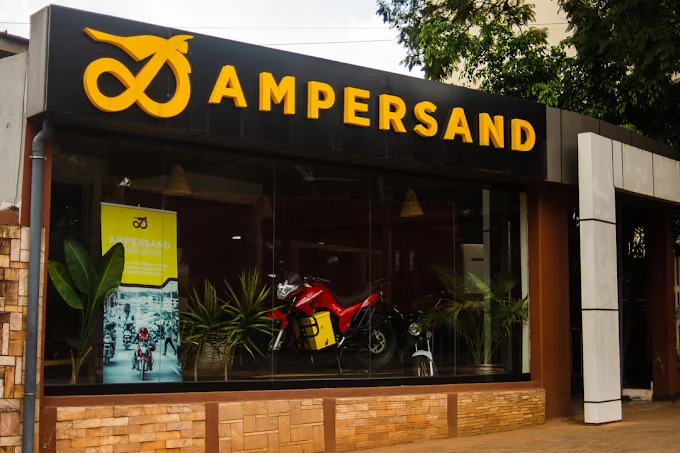
Meanwhile, in Rwanda and Kenya, two-wheeler e-mobility giant Ampersand is pulling off an equally audacious infrastructure play. With a fleet of over 3,000 active electric motorcycles already on the road, Ampersand is doubling down on its Battery-Swapping-as-a-Service model.
In a bold move that is redefining the industry, Ampersand has officially opened its proprietary battery-swapping stations to third-party electric motorcycle manufacturers. By establishing a shared energy grid, Ampersand is positioning itself as the standardized regional energy network for two-wheeled transit.
Commuters can pull into any of the company's dozens of automated battery depots, swap a depleted pack for a fully charged one in under 45 seconds, and ride away, regardless of who manufactured their motorcycle.
Why Unified Infrastructure is the Ultimate Scale Factor
This strategic shift toward shared, interoperable infrastructure highlights the mature evolution of African tech startups in 2026. Rather than operating in isolated silos, green energy leaders are standardizing charging and swapping systems.
First, this approach significantly reduces capital costs because fleet operators do not need to invest millions in building proprietary charging stations. Second, it maximizes asset utilization, allowing decentralized swap stations to remain active around the clock while serving multiple brands and vehicle models. Third, it builds strong investor confidence, as financial institutions are actively backing standard-driven energy grids over volatile, experimental vehicle manufacturers.
The Road Ahead
With massive sovereign green bonds and institutional climate capital flooding sub-Saharan Africa, East Africa is rapidly emerging as the global blueprint for municipal decarbonization. By prioritizing local assembly, standardized power connections, and open battery-swapping, BasiGo and Ampersand are proving that Africa's green future is not just clean; it is completely interconnected.